The Key Is Not the Estate: Administering Digital Wealth in 2026
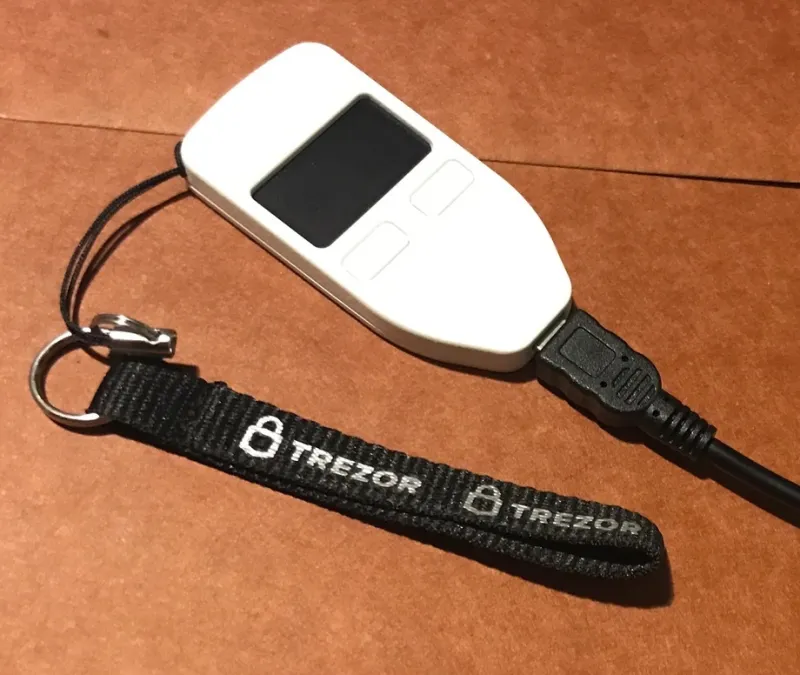
Photo: Sanjev Rajaram, CC BY-SA 4.0, via Wikimedia Commons
The safe deposit box contains a folded slip of paper with twelve words on it. The family believes it is the answer to everything. The executor knows it may be a clue, a risk, or neither. In 2026, digital assets are no longer an exotic corner of estate administration. They are ordinary assets with unusual problems, and the first duty of an executor is not to hunt for a seed phrase but to establish what the deceased actually owned.
Access is not ownership
English law has moved steadily towards treating cryptoassets as property. The Law Commission's work on digital assets has reinforced the view that a private key is a means of control, not a title deed. The estate's claim is to the asset itself, not to the password that unlocks it. That distinction matters when a relative produces a seed phrase and assumes the wallet is theirs, or when a custodian holds keys on behalf of the deceased. The executor must look for evidence of beneficial ownership: exchange statements, wallet addresses recorded in tax returns, correspondence, and the pattern of transfers. A person who holds a key may be a trustee or an agent; a person who lacks the key may still be the owner. Assuming otherwise can lead to a distribution that is later challenged, or to a breach of fiduciary duty.
Finding the evidence, not the treasure
Executors have a duty to make reasonable enquiries. In practice, that means reviewing bank statements for transfers to exchanges, searching email for exchange notifications, checking tax records, and asking family members and business associates. Hardware wallets are often small and easily overlooked; they may be in a safe, a desk drawer, or with a solicitor. NFTs, domain names and monetised social media accounts are also estate assets, although their value may be modest or difficult to realise. A digital asset inventory is the practical tool: a single document that lists each asset, where it is held, and how the executor can obtain access through the proper channel. The inventory should not contain the credentials themselves. It should point to them.
Valuation at the date of death
HMRC treats cryptoassets as property for inheritance tax purposes. The estate is valued at the date of death, and a professional valuation is prudent for any material holding. Exchange balances can be evidenced by statements, but self-custodied wallets require a snapshot of the blockchain and a record of the valuation method. NFTs are harder: recent sales, floor prices and liquidity all affect value, and a valuer may apply a discount for an illiquid market. Volatility is a real administrative problem. Unlike quoted shares, cryptoassets do not benefit from inheritance tax relief for a fall in value after death. If the estate needs to sell assets to pay the tax, the executor should take advice early and document the reasoning. A forced sale in a falling market is not a neutral act.
Securing the estate without exposing it
The seed phrase in the safe is a single point of failure. It can be stolen, lost in a fire, or become the subject of a family dispute. It should never be written into a will, because a will becomes a public document once probate is granted. A better arrangement is a sealed letter held by a solicitor, describing the existence and location of wallets and the procedure for access, without disclosing the phrase itself. A password manager with an emergency access feature can serve a similar purpose for online accounts, provided the executor is named and the feature is tested. For hardware wallets, the device and the recovery phrase should be stored separately, and the executor should know which solicitor or safe holds each element. The aim is a clear path, not a treasure map.
Custodial accounts and exchange terms
Each exchange has its own process for estate access. Some require a grant of probate, a death certificate and identification; others may freeze an account until the estate is verified. The executor should check the terms of service and keep a record of every communication. Accounts held in the deceased's name may need to be transferred to the estate, and some platforms do not permit that at all. Stablecoins and other tokens are treated in the same way as other cryptoassets. The practical lesson is to start early: exchange processes can be slow, and a frozen account during probate is an avoidable delay.
Distribution and the wording of the will
Once the assets are valued and secured, the executor distributes them according to the will or the rules of intestacy. Cryptoassets can be transferred in specie to beneficiaries, but the will must permit it. A gift of 'money' may not capture cryptoassets, and a gift of 'all my property' may be too broad to be practical. Testators should review their wills to include digital assets expressly and to give executors the powers they need to deal with them. A 'digital executor' is not a separate legal role in England and Wales, but an adviser can be named to assist. The legal authority remains with the executor.
A practical checklist
- Prepare a digital asset inventory: wallets, exchanges, NFTs, domain names, monetised accounts.
- Record the location of devices and recovery phrases, not the phrases themselves.
- Keep a sealed letter with a solicitor, reviewed annually.
- Use a password manager with emergency access, and test it.
- Retain exchange statements and tax records.
- Take a professional valuation for material holdings.
- Review the will to ensure digital assets are included and executors have the necessary powers.
Conclusion
The seed phrase is not the estate. The estate is the bundle of rights and obligations that the deceased leaves behind, and the executor's task is to identify, value, secure and distribute it. A calm, evidence-led approach does more for a family than a frantic search for a password. In 2026, digital wealth is part of ordinary inheritance planning, and it deserves the same care as any other asset.